


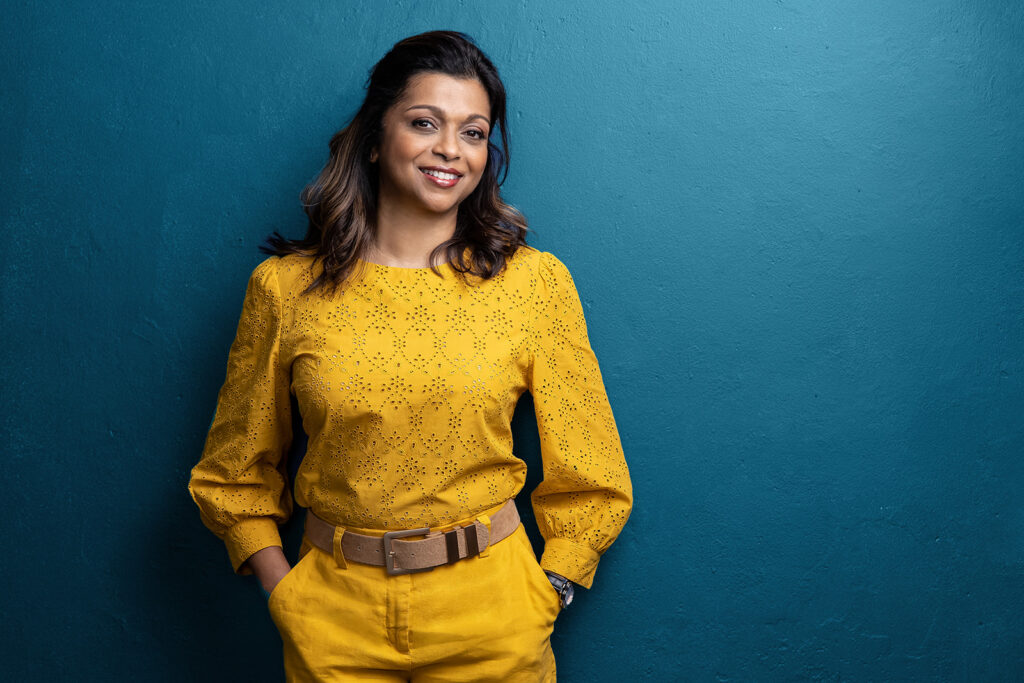


Choose the frame where your eyes look alive and your expression suits the job, judged at the size people will actually see it.
That’s rarely the one you’d pick first. Most people go straight for the frame where their hair sits right or their jaw looks sharpest, and they scroll past the one where they look like someone worth meeting.
The hair can be fixed later. The expression can’t.
Why is your own favourite often the wrong one?
Because you’re judging features nobody else is looking at.
The mirror shows the reverse of what the camera sees. So a perfectly normal photo can look slightly off to its owner and completely right to everyone else. You also know exactly where your parting goes, which side of your smile sits higher and which eyebrow never behaves.
Nobody else has that list.
Someone scrolling past a profile isn’t checking the parting. They’re deciding whether this looks like a person they would trust with their tax return, their property sale or their next project.
They read the eyes and the expression, and that’s about it.
What should you actually look for in a headshot?
Eyes first, then expression, posture and crop.
- Start with the eyes, and pick the frame where they look alive: focused, a little engaged, as if about to say something useful.
- Then check the expression, which should suit the work. A warm half-smile works for most people, but a barrister and a children’s physio don’t need the same face.
- Look at the posture, which should show relaxed shoulders, a head that isn’t pulled back and no sign of bracing for a flu jab.
- Finally, check the crop each use will need, and make sure there is room around the head and shoulders, because a frame that is too tight can’t be widened later.
Our guide to headshot framing shows how much room each crop needs.
If a frame fails on the eyes, nothing else on this list will rescue it.
Should you reject a photo because of a stray hair?
No. That’s what retouching is for.
Retouching tidies stray hairs, shine and creases without changing anyone’s face. The flyaway over your ear, the shine on your forehead and the collar that folded the wrong way are all small jobs at the editing stage. Our page on headshot retouching explains what gets tidied.
What retouching won’t do is change a look. It can’t turn a polite, tight smile into a real one, open eyes that were half shut, or lower shoulders that were up near the ears.
If none of your frames has the expression right, a reshoot beats an edit, and knowing what happens at a headshot session makes the second attempt easier. For a single LinkedIn photo, a guided 15-minute virtual session on your own phone is a smaller fix than a full studio booking.
So reject frames for what can’t be fixed, and forgive what can.
How do you narrow it down without going cross-eyed?
Two passes on a big screen, then a thumbnail check.
On the first pass, remove anything with a technical flaw: a blink, a strange expression, a mouth caught mid-word. Don’t stop to decide whether you like it. Just clear out the rejects.
On the second pass, go back through what’s left and keep only the frames that carry what the photo needs to say. That might be approachable, capable or calm, depending on the work.
Then shrink the shortlist down to the size of a LinkedIn circle. Call it the thumbnail test. It’s useful because a frame that looks lovely at full screen can turn into a blur of forehead at the size most people will actually see it.
Do this in daylight, at a desk. Choosing at eleven at night on your phone is a classic headshot mistake, and it’s how people end up with the frame they like least the next morning.
Who should you ask for a second opinion?

A colleague, ideally, not only your family.
Family see the person they love, and they’ll often choose the frame that looks most like you at Christmas lunch. A colleague, or someone who deals with the same kind of clients, sees the professional version, and that’s the version the photo is for.
Ask one or two people, not twelve.
A group chat vote usually ends in a draw and a lot of opinions about your jumper.
Does the best headshot change depending on where it’s used?
Yes, so start with where it will live.
- On LinkedIn the photo shows up as a small circle, often beside strangers’ photos in a feed or a search, so choose a frame where the face fills the space and the expression reads at a glance.
- On a company website it sits in a row of colleagues, so the crop and head size should match theirs, and a slightly calmer expression often looks better in a grid.
- In a speaker bio or conference program it is often shown larger, and organisers crop it to fit their own layout, so a frame with more room around the shoulders gives them space to work.
If one photo has to do all three jobs, pick the one that passes the thumbnail test and still has room to be cropped.
Want an exact price?
Book a free 15-minute consult – no obligation, just a clear quote and a plan.
How many headshots should you choose?
Usually one main headshot plus an alternative.
For most people, the useful pair is a main photo that goes everywhere and a second one for places where the first would get repetitive, with a slightly different expression or a second outfit if you brought one. Our guide on how many headshots you need covers when a bigger library is worth it.
If you’re stuck between two good frames, it rarely matters. Pick one, use it, and keep the other as the alternative. Nobody else will ever compare them side by side.
And don’t shortlist ten frames that look almost identical. You’ll use one, maybe two, and the rest will sit in a folder you never open again.
What if your whole team is choosing?

Everyone picks their own favourite, but the crop and background must match.
Let people choose the expression they’re comfortable with, because that’s what makes them actually use the photo. The crop, head size and background need to line up across the set, though, or the team page starts to look as if it came from several different shoots. Our guide to refreshing team headshots covers keeping a set consistent as it grows.
Agree who picks by when, because group edits usually take 3 to 7 days from selections, and one late chooser holds up the whole set.
Getting your Sydney team photographed?
We run "Staff Headshot Days" - 30+ people, one consistent look, minimal disruption.
Why shouldn’t you take a fortnight to decide?
Because the editing clock starts at selection.
At Hero Shot, turnaround usually runs 3 to 5 days from selections for an individual session and 3 to 7 days for a group. A week of deliberating adds a week before there is anything to upload. Give yourself a day, do the two passes, run the thumbnail test and send the picks.
If you’re staring at a gallery and can’t decide, get in touch and we’ll talk you through which frames we’d shortlist.
Found this useful? Make Hero Shot Photography a preferred source on Google.


