


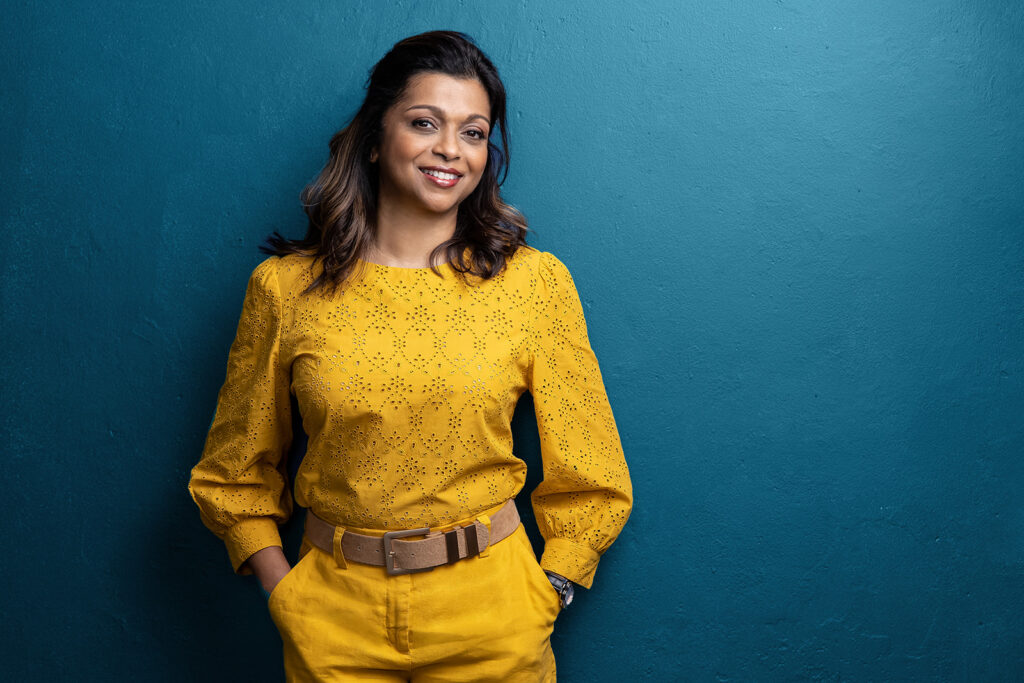


Yes, a headshot booth can bring people to your trade show stand, and it keeps them there long enough to talk.
Most exhibitors assume foot traffic is bought with giveaways: the tote bag, the stress ball, the bowl of mints. People take them and keep walking.
A professional headshot works differently. Plenty of people at a conference know their LinkedIn photo is out of date, and most of them won’t get around to booking a session to fix it. Offer to fix it for free, between sessions, and they’ll queue.
The catch is that the photo isn’t the result. The booth only pays back if you’ve decided what it’s for, how people register and what happens after they leave, all before the doors open.
Why do headshot booths draw a crowd?
Because it’s a giveaway people actually use.
Attendees at a professional event are already thinking about how they come across, and a lot of them are carrying a profile photo that’s five years old, cropped from a wedding or taken in the car. A professional headshot booth fixes that between sessions, and it’s free to them.
Nobody has ever updated their LinkedIn profile with a branded pen.
The queue helps too. People who see others waiting assume there’s something worth waiting for, and they join in.
A queue is its own signage.
How does a booth turn visitors into leads?
At the moment people collect their photo, if you’ve planned for it. That’s the natural time to ask for details.
The Hero Booth delivers photos instantly, which is what makes it feel like a gift rather than a promise. A booth can be set up for lead generation, with registration, your branding and follow-up built in. Asking at that moment beats a business card dropped into a fishbowl. Whether it turns into a lead depends on three decisions you make well before bump-in.
First, decide whether the booth is a thank-you or a lead source, because registration and follow-up only matter for the second. Then keep the registration to what you’ll actually use, because every extra field adds time to every person in the queue. Finally, decide who sends what, and when, so the list doesn’t sit in a spreadsheet until next quarter.
Ask for permission to follow up as a separate tick, not buried in the photo delivery. Check with whoever handles your compliance before you add anyone to a marketing list. A list people agreed to join is worth more than one they didn’t.
The purpose is the first thing we’d ask about, because it also decides whether the booth pays back for whoever’s funding it.
What should your stand staff do while people queue?
Chat with them, because the queue is a relaxed audience.
People standing in a queue have a few minutes and nothing to do, so your stand staff can have the conversation that a passing glance at your banner never allows. We’d brief them to chat rather than pitch. Someone who’s about to have their photo taken is mildly nervous and very open to small talk about anything except themselves.
The photographer handles the photo. Your team handles the person beforehand.
What does a booth need on your stand?

A calm corner, power and somewhere for the queue to stand.
Trade halls are loud, bright and full of people mid-sentence. The booth has to create its own zone of calm inside that, because people arrive straight from a sales conversation or a keynote and the photographer has very little time to settle them.
At a booth the photographer usually has a minute or two with each person, against ten-minute blocks at an office headshot day, so energy gets reset in seconds. The setting decides how hard that is.
Settling them is much easier when the booth isn’t next to the PA speaker, the barista or the busiest aisle. We’d confirm the space and setup needs with you and the event organiser early, and check that a queue won’t spill across your neighbour’s stand. Exhibitors are friendly people until you block their brochures.
Our headshot booth page shows how it works at events.
How long should the booth run?
Long enough to cover the busiest breaks, and no longer.
Queues swing with the program. The queue can be empty at eleven and stretch down the aisle at morning tea. We’d look at the session timetable before deciding on hours, and staff the stand for the breaks rather than the lulls.
At a small show, or one with a single coffee break, a full day won’t pay back.
Book a few hours around the busiest break instead, and tell attendees about the booth in the event app or newsletter beforehand, so people come dressed for it.
If a booth doesn’t suit the show, event photography of your team on the stand or a team headshot day on-site or in the studio before you go might do the job better.
Want an exact price?
Book a free 15-minute consult – no obligation, just a clear quote and a plan.
Should the booth carry your branding?
On the stand, yes. On the photo, no.
A headshot with a logo in the corner is a headshot nobody uses, and a photo nobody uses does nothing for you. We’d keep the background clean so the image stays usable for about two years, which is how often we suggest most professionals update their headshot anyway. Put your branding everywhere around it instead: the signage, the stand and whatever you send people afterwards. If a sponsor is funding the booth, say so on the signage.
The branding that lasts is the good photo they keep using.
Sammer’s post on how a conference booth differs from an office headshot day covers what changes.
If you’ve got a show coming up, tell us about the event and we’ll tell you whether a booth suits your stand.
Found this useful? Make Hero Shot Photography a preferred source on Google.


