


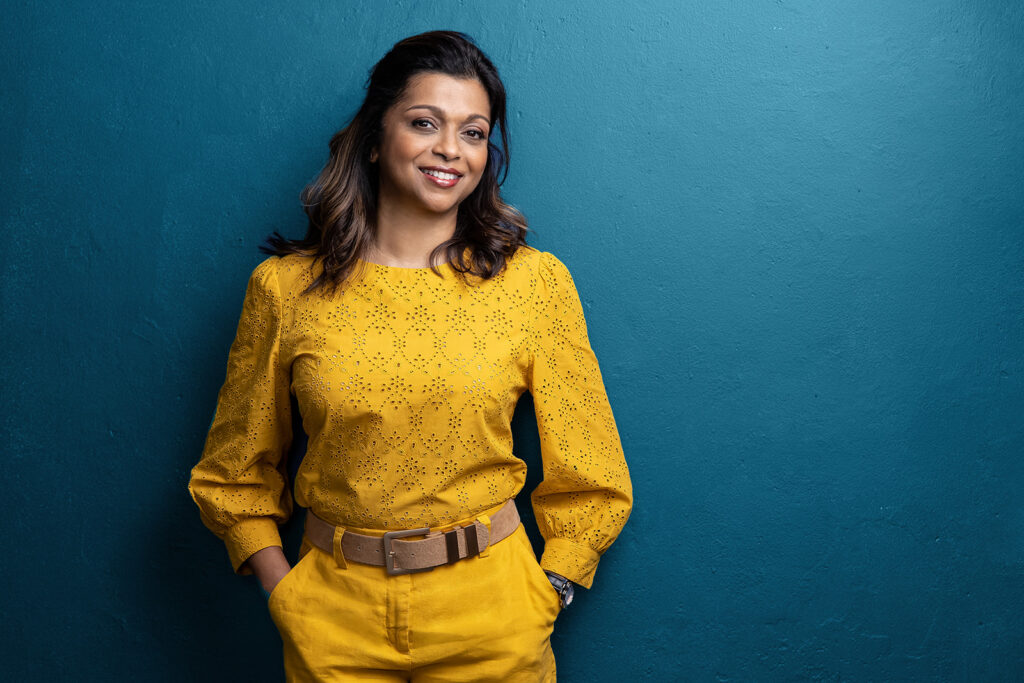


Most Australian resumes don’t need a photo.
Leave it off, and put a good one on LinkedIn instead. That’s where a recruiter goes looking for your face, usually right after they’ve decided your experience deserves a closer look.
It’s a slightly odd thing for a headshot studio to tell you, and we’re aware of the irony. But we’d rather the top of page one went on your results than your cheekbones.
If you’ve job hunted in Europe or Asia, where a photo in the top corner is often part of the furniture, the Australian approach can feel backwards. The reasons are practical rather than snobbish.
Do Australian employers expect a photo on your resume?
No.
Australian career advisers are close to unanimous on this. The University of Sydney’s careers team says there’s no need to add a photo, along with your date of birth or nationality. The University of Queensland is blunter: in Australia, what you look like shouldn’t come into it.
Victoria’s Youth Central goes further and tells job seekers to leave images off altogether. Recruiters and HR teams don’t like them, and they can cause problems with recruitment software.
Why would a recruiter rather not see your face?
Because they’re meant to be judging what you can do, and a photo tells them things they’re not supposed to weigh up.
Employers here have legal obligations to run a fair recruitment process. A photo hands the person shortlisting your apparent age, a guess at your background and a dozen other details that have nothing to do with the job, and once they’ve seen them they can’t unsee them.
Plenty of recruiters would simply rather not know.
Then there’s the space. A resume should run two or three pages at most, and a photo takes a chunk of the most valuable part of it.
Could a photo count against you?
Sometimes, yes.
- Software can trip over it. Images can confuse the software some employers use to sort applications, and a scrambled resume reads badly to everyone.
- It can suggest you haven’t checked how things work here. For a role that values attention to detail, that’s not the first impression you want.
- A bad photo is worse than none. The cropped wedding photo. The holiday shot with someone else’s shoulder still in the frame. The selfie in the car park. Recruiters have seen them all.
When does a photo on your resume make sense?
When the job is about how you come across on camera, or when someone asks for one.
- Acting, presenting and modelling. Here the headshot is part of the application, and casting directors expect it with your resume. Our guide to actor headshots covers what they look for.
- The job ad asks for one. Follow the instructions. It’s the one time leaving it off looks like you didn’t read the ad.
- You’re applying overseas. In some countries a photo on a CV is still normal, so check the local convention rather than ours.
- Your resume lives online. On a personal website or portfolio, a photo helps people put a face to the name before they ever meet you.
In creative jobs, the portfolio does the talking
Show the work, not the worker.
For designers, photographers and writers, a link to a strong portfolio earns far more attention than a portrait of the person who made it.
Where does your photo actually get seen?
On LinkedIn, mostly.
When a recruiter likes your resume, the next step is often a quick look at your LinkedIn profile, quite possibly on a phone between meetings, with your photo shrunk to about the size of a five-cent coin. That’s the moment it matters.
So that’s where we’d put the effort.
After that, the same photo tends to follow you around:
- Your email signature and the small circle beside your name in Teams or Zoom.
- The staff page on the company website, if you get the job.
- Speaker bios, panel line-ups and industry directories you’ll be asked to fill in sooner than you think.
What makes a LinkedIn photo work when you’re job hunting?
It looks like you on a good day, even at thumbnail size.
- It’s recent. If your hair, your glasses or your entire beard situation has changed since it was taken, it’s time.
- It’s head and shoulders. Crop from about the top of your chest up, so your face fills the circle.
- It’s taken at eye level. A camera below your chin flatters nobody.
- The background is plain or softly blurred. Nobody needs to see your bookshelf, however good it is.
- It still works when it’s tiny. Shrink it to thumbnail size before you upload it. If your expression still reads, it’s doing its job.
The LinkedIn photo size guide has the exact dimensions, and these LinkedIn headshot examples show what works in practice.
If you include a photo, what should it look like?

Small, current and a little bit boring, in the best possible way.
If the ad asks for a photo, or you’re applying somewhere a photo is expected, we’d keep it simple:
- Use the same photo as your LinkedIn profile, so the recruiter recognises you when they look you up.
- Keep it about passport-photo size, tucked into a top corner, not stretched across the header like a film poster.
- Use a plain background. White, grey or a soft colour, so nothing competes with your face.
- Compress the file before it goes into the document, so your resume doesn’t arrive as an enormous PDF.
- Keep your contact details in the body of the page. Youth Central notes that some recruitment software can’t read headers and footers, which is a bad place for your phone number to go missing.
Can you use a selfie?
You can, but get someone else to take it.
A phone held at arm’s length uses its wide lens up close, which makes whatever sits nearest the camera look bigger. Usually that’s your nose.
Ask a friend to stand a couple of metres back and use the 2x or 3x lens at your eye level, with you facing a window on an overcast day or in open shade, so the light is soft and even rather than throwing hard shadows under your eyes.
It takes two minutes and makes a surprising difference.
Can you use an AI headshot?
You can, but it’s a gamble if it doesn’t look exactly like you.
The awkward moment comes at the interview, when the person who walks in is slightly different from the person in the photo. We go through the trade-offs in AI headshots vs professional photography.
What should go in that top corner instead?
Your LinkedIn link.
Customise the address so it shows your name rather than a string of numbers, and put it with your phone number and email, where a recruiter skimming the page will see it in the first few seconds.
It costs one line. It sends them straight to the place your photo is meant to be.
Do you need a professional headshot to look for work?

Not always.
A clear, recent photo taken by a friend next to a window will do for most LinkedIn profiles, and if you’re early in your career or between jobs and watching every dollar, that’s a perfectly good place to start.
We’d rather you had a decent free photo than a paid one you can’t afford.
A professional headshot earns its keep when:
- Your face is part of the job. Client-facing, sales, consulting and senior roles, where people look you up before they meet you.
- You’re changing careers and want your profile to look like the job you’re after, not the one you’re leaving.
- Every photo of you is from a wedding, a holiday or a hens night.
- You genuinely hate having your photo taken. Getting nervous people to relax is most of what a good headshot photographer does.
If that sounds like you, our Express session was built for exactly this. It’s twenty minutes in the studio, one outfit, a plain backdrop and one retouched Hero Shot, ready for LinkedIn and for the rare resume that needs one.
Want an exact price?
Book a free 15-minute consult – no obligation, just a clear quote and a plan.
How often should you update your headshot?
Whenever it stops looking like you.
For most people that’s every couple of years, or sooner after a change in hair, glasses or role. There’s more on that in how often to update your headshot.
If you’d like a hand getting your LinkedIn photo right, get in touch and we’ll tell you how we’d go about it. And if the one you’ve got already looks like you on a good day, keep it.
Found this useful? Make Hero Shot Photography a preferred source on Google.


